

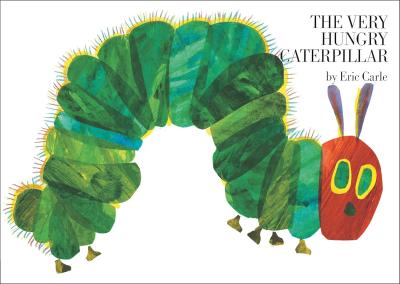
Eric Carle’s The Very Hungry Caterpillar is more than just a children’s book—it’s a magical exploration of growth, appetite, and transformation that has captivated young readers for over five decades. Published in 1969, this picture book has become a cornerstone of early childhood literature, weaving together simple storytelling, interactive design, and profound biological concepts in a way that feels effortless and enchanting.
The narrative follows a small caterpillar’s remarkable journey from tiny egg to beautiful butterfly, chronicling his extraordinary eating adventure along the way. What makes Carle’s approach so brilliant is how he transforms a scientific process into a playful, engaging experience. As the caterpillar munches through an increasingly diverse array of foods—from one apple on Monday to an elaborate feast including chocolate cake, salami, and pickles—children are invited to count, explore days of the week, and marvel at the creature’s insatiable hunger. The strategically die-cut pages, which allow readers to peek through holes left by the caterpillar’s eating, create a tactile and interactive reading experience that goes far beyond traditional storytelling.
Carle’s distinctive illustrative style is equally remarkable. His signature technique of creating images through hand-painted tissue paper collage gives the book a warm, textured quality that feels both sophisticated and childlike. Each illustration vibrates with color and energy, capturing the caterpillar’s personality through subtle variations in shape and movement. The progression from a small, somewhat uncertain creature to a large, round being ready for transformation mirrors a child’s own journey of growth and discovery. The color palette—ranging from soft, muted greens to vibrant reds and blues—reflects the emotional landscape of learning and exploration.
Beyond its visual and narrative charm, The Very Hungry Caterpillar offers profound educational value. It introduces young readers to fundamental scientific concepts like metamorphosis, teaching complex ideas through a gentle, accessible narrative. The book subtly communicates important lessons about nutrition, cycles of life, and personal transformation. Children learn that growth isn’t always linear, that appetite can change, and that remarkable changes are possible with time and nurturing. The final spread, showing the caterpillar emerging as a beautiful butterfly, serves as a powerful metaphor for potential and hope.
Decades after its initial publication, The Very Hungry Caterpillar remains a beloved classic that continues to delight and educate. Its enduring popularity stems from Carle’s ability to respect children’s intelligence while speaking directly to their sense of wonder. This is not just a book about a caterpillar eating; it’s a celebration of curiosity, change, and the remarkable journey of becoming. For generations of children, this book has been a window into the magic of the natural world, proving that the most profound stories often come in the simplest packages.
Questions to ask while reading:
- Why did the caterpillar get the stomach ache?
- Have you ever eaten a lot of sweets? Did it feel good?
- Is it easier to stay the same or to change?