

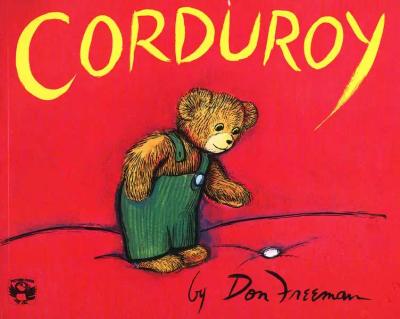
Don Freemanโs beloved picture book Corduroy has enchanted generations of young readers since its publication in 1968, offering a tender exploration of belonging, friendship, and self-acceptance through the eyes of a charming department store teddy bear. With its warm, compassionate narrative and softly rendered illustrations, the book remains a timeless classic that continues to speak directly to childrenโs deepest emotional landscapes.
The story centers on Corduroy , a department store teddy bear whose missing button becomes a metaphor for feeling incomplete or imperfect. Unlike the other stuffed animals around him, Corduroy believes he is fundamentally flawed. When a young girl named Lisa first sees him, he is filled with hope, but her mother declines purchasing him due to his damaged overalls. This rejection sets up a poignant journey of self-discovery, as Corduroy ventures through the department store at night, searching for his missing button and, more profoundly, searching for a sense of wholeness and acceptance.
Freemanโs delicate watercolor and pencil illustrations capture both the grand scale of the department store and the intimate emotional world of his protagonist. The nighttime scenes, where Corduroy explores the seemingly massive retail environment, brilliantly convey a childโs perspective of wonder and slight intimidation. His illustrations transform ordinary spaces into magical landscapes, where a display escalator becomes a mountain to climb and furniture departments become mysterious terrains to navigate. These visual choices reflect the interior emotional journey of the character, showing how a childโs imagination can transform mundane surroundings into extraordinary adventures.
The bookโs themes resonate far beyond a simple childrenโs story about a teddy bear. Corduroy represents the universal childhood fear of not being good enough, of feeling different or damaged. His journey is ultimately about self-love and finding someone who sees and accepts you exactly as you are. When Lisa returns to the store the next day and purchases Corduroy with her own saved money, she demonstrates a profound lesson about seeing beauty and value beyond surface imperfections. Her unconditional love repairs Corduroy โs sense of self far more effectively than finding a replacement button ever could.
Corduroy endures as a masterpiece of childrenโs literature because it communicates complex emotional truths with remarkable simplicity and grace. Freeman understood that children are capable of deep empathy and nuanced emotional understanding. By presenting Corduroy โs story with gentle humor and genuine warmth, he created a narrative that speaks to fundamental human desires for connection, understanding, and belonging. More than fifty years after its initial publication, the book continues to remind readers young and old that our perceived flaws do not diminish our worth, and that true friendship sees beyond surface imperfections to the heart within.
Questions to ask while reading:
- Why does the little girl want the teddy bear?
- What kinds of things do friends do for each other?
- What does coming home feel like to you?